Fishing? Hey, there's no better time than the present
Here we are, in the midst of the summer of ’26, and all of our usual suspects are pretty much back on the menu.
Heck, there’s even been a fall-like run of white marlin over the past several days.
Toss in some blue marlin, tuna, dolphin and wahoo, and you’ve got something that could keep your hands full.
And if that action is slow for a few hours, anglers working offshore blue waters have the opportunity to drop some weights into the depths and put some tilefish and other bottom dwellers into the cooler.
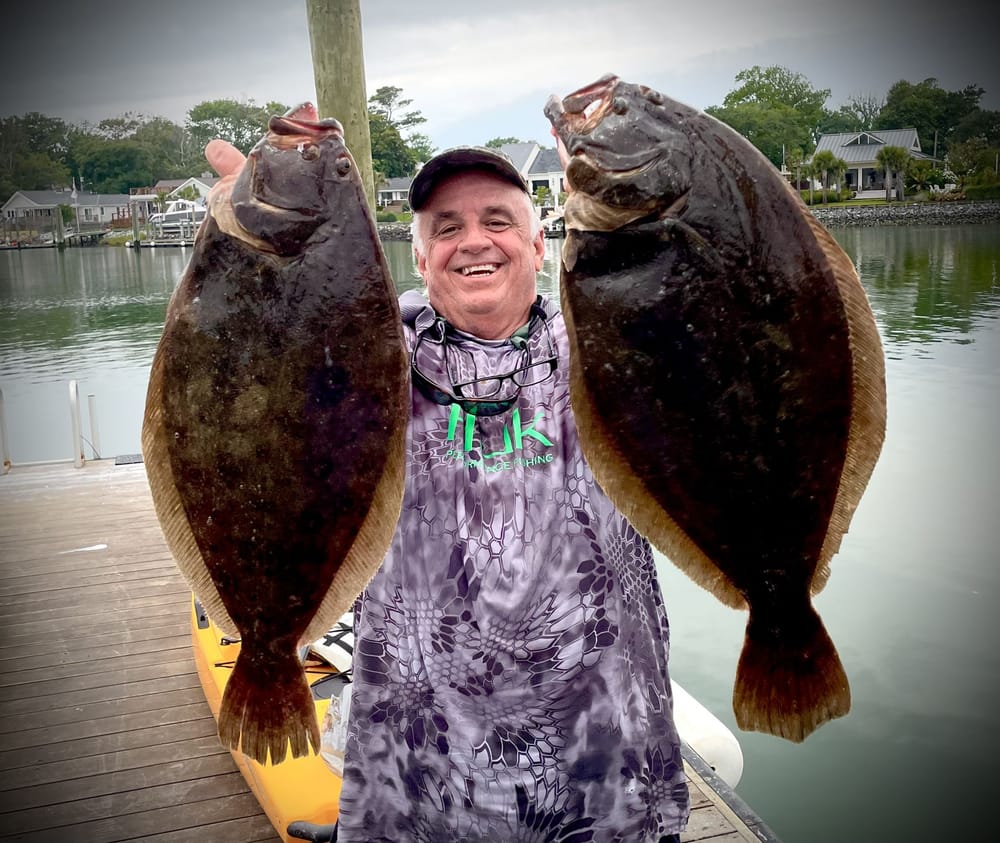
Wrecks a little closer to home are offering sea bass, triggerfish and some really nice flounder. Don’t be surprised if some big bluefish join the party.
If staying closer to home is more your cup of tea, there’s plenty to keep the reels screaming.
Anglers are finding schools of big red drum, cobia and a tarpon or two - with the later being most plentiful in the Outer Banks sounds and in backwaters of southeastern Eastern Shore barrier islands. And anglers - both from piers and boats - run into a few along the coast from time to time.
When looking for tarpon along the Eastern Shore, keep in mind the legions of flies and bait-stealing bull shark that will want to hang around.
Along the Chesapeake Bay Bridge-Tunnel, anglers need to have equipment on board to battle red drum, black drum, flounder, sheepshead and flounder.
Flatfish also are showing around in-the-bay artificial reefs and various bottom rubble and small channels that offer edges for them to sneak up on bait caught in tidal currents.
Also along the coast, anglers are seeing rising numbers of Spanish mackerel and ribbonfish - with a variety of shark becoming a little more than just plentiful. Blacktip and hammerhead will provide most of the action, but bulls, tigers, sand and even a stray white are possible.
Inside the three southeastern Hampton Roads inlets, anglers can find a nice mixed bag of speckled trout, puppy drum (juvenile red drum), flounder and a few bluefish.
Anglers working the Poquoson Flats and area rivers like the York and Elizabeth are finding a nice mix of fish. But that action really takes shape when fall temperatures start to move in.
And big blue catfish have worked closer and closer to the bay after recent rains.
Saltwater not your thing?
No worries, fresh and brackish waters are seeing lots of action.
Most of it is best really early or late in the day, when temperatures are more tolerable for anglers and more to the liking of fish.
Topping the list this time of year are bluegill and shellcracker that like to hang close to shorelines - with the bigger of each spending most of their time in waters from 5 to 10 feet.
The Suffolk Lakes are a great place to target both.
Largemouth bass action can be great this time of year, but you have to know the structures where you are fishing.
Bass will come out of deeper water early, late - even at night during big moons - to chase bait around shorelines or on long, gradually shallowing points. They’re hungry when they act like this.
In deeper reservoirs, ponds and lakes, bass can be found suspended under schools of bait - which they, from time to time, crash into for an easy meal.
Grass beds in Back Bay and northern parts of the Currituck Sound - and eastern-side coves - all are holding good numbers of bass. Because of the thickness of the milfoil, heavier monofilament or braided line can be a real help when trying to wrestle aggressive bass.
Topwater frogs, Johnson Silver Minnow spoons and plastic worms will be your best bets.
When fishing these two waters, keep one eye out for Jake the Nake - a nickname for cottonmouth snakes. They don’t like you anymore than you like them, so just leaving them alone is your safest bet.
Crappie can be found around structure in or near the deepest parts of their turf. Anglers should jig vertically with tiny jigs or live bait.
We all know that fishing can be pretty good around here all year long. It’s what makes our region so incredible.
But there is no time like the present to tackle a wide arrange of opportunities.